
Couche Cloth Proofing
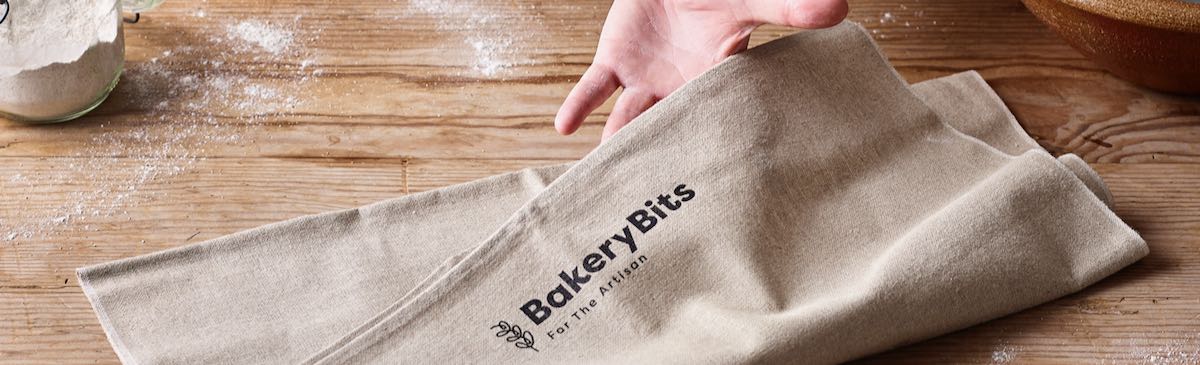
Couche is traditionally French linen used to support artisan baguettes and batards while proofing, before being moved onto a flipping board and into the oven for baking. Our couches are all strong and available either as 1 metre pieces or off a roll by the running metre and in a variety of widths to suit any worktop whether a home kitchen or bakery. Dan Lepard has written much more about what couche is, why it is useful and how to use it.


Couche Linen
Couche cloth for proofing baguettes is made from linen. In turn, linen is made from the flax plant. Flax, very similar to hemp, has been cultivated for millennia as it is very strong and durable - much stronger than cotton and is easy for the farmer to grow needing no fertilisers or irrigation for a successful crop.
Turning the flax plant into linen is a long process, especially when done the traditional, manual way. After growing quickly, the flax is cut and stacked to dry, then soaked (retting), the leaves and seeds are removed before the fibres are separated.
Next, the fibres go through scutching where the fibres are pounded to soften and loosened the fibres. Next, the fibres are combed in a similar way to wool, to draw out tangles and to pull the fibres into line, resembling golden horse-tails. The bundles of fibre can then be tied up until ready for spinning.
The spinning is similar to any other fibres being spun together to form a yarn suitable for use in weaving or fabric making - similar to making a wool yarn. Once the yarn is made the flax yarn can be woven into the familiar couche linen.
The process is much more mechanised these days but the plant is as it always was yielding a low-impact crop that gives a fully biodegradable yarn with a whole host of uses.