Check out our latest recipes!

Wholemeal Flour

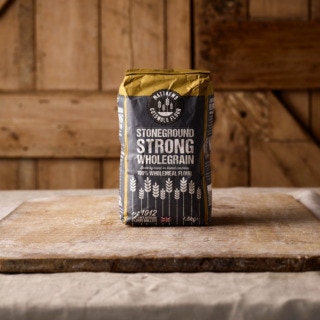
Our wholemeal flour is milled from the entire wheat grain—bran, germ and endosperm - to retain maximum flavour and nutrition. Perfect for hearty breads, muffins, pancakes and artisan baking.

What Is Wholemeal Flour?

Wholemeal flour uses all parts of the wheat grain - bran, germ and endosperm - giving you intact fibre, oils and nutrients that refined flour lacks. It’s a more wholesome choice for everyday baking.

Health Benefits of Whole Grains

Whole grains are linked to improved heart health, better blood pressure control, enhanced weight management and a lower risk of type 2 diabetes. The fibre also increases satiety and supports digestive health.

Baking With Wholemeal Flour

You may need a little extra hydration (because bran absorbs water) and a gentler mix, but the flavour payoff is worth it. Wholemeal gives a deeper taste and texture - tenderness from short mixes, and robust crumb from long fermentation.

Satisfying Taste & Aroma

Wholemeal loaves are richer in flavour and aroma compared to white breads. They taste more like grain and have a satisfying, wholesome character.

Perfect for Artisan Baking

Ideal for homely sourdoughs or dense sandwich loaves, wholemeal flour adds structure, flavour and a satisfying chew - elevating your artisan baking to genuine rustic quality.

FAQs

What is wholemeal flour?

It is a flour ground from the whole wheat grain - bran, germ and endosperm - offering full flavour, fibre and nutrients.

Is wholemeal healthier than white flour?

Yes - wholemeal is richer in fibre, B vitamins, minerals and phytonutrients, which promote heart and digestive health.

Does wholemeal flour make bread denser?

Wholemeal loaves tend to be denser due to bran. You can lighten them by using more water, less kneading, or blending with strong white flour.

Why does wholemeal taste richer than white flour?

Because it contains the bran and germ, wholemeal flour has higher levels of aroma and flavour compounds, giving it depth and complexity.