We're sometimes asked questions about rye flour, for example "what's the difference between dark rye and light rye?", and "is all rye flour wholemeal?". Hopefully we can quickly clear up any confusion you might have about rye flour and how it's sometimes labelled. Thanks to Andrew Wilkinson of Gilchester, and baking guru Dan Lepard for their input.
Like wheat flours, rye can be classified by how ... Read more
You'll find a number of different yeasts available at BakeryBits. Which one should you choose, how are they different from each other, and how should they be used?
Some yeasts are general purpose, while others are selected and cultivated for a particular job - raising an enriched dough such as hot cross bun, panettone, for example, or to allow an industrial bakery to introduce yeast at a specific ... Read more
Emmer (Triticum dicoccum) is an 'ancient grain', native to parts of the Near East, where it formed part of the diet of hunter-gatherers before becoming domesticated by 7000BCE. It arose as a hybrid between a wild variety of einkorn and an annual goatgrass. It was cultivated in Britain by around 2000BCE, but almost universally it was eventually replaced by higher-yielding grain varieties, though it ... Read more
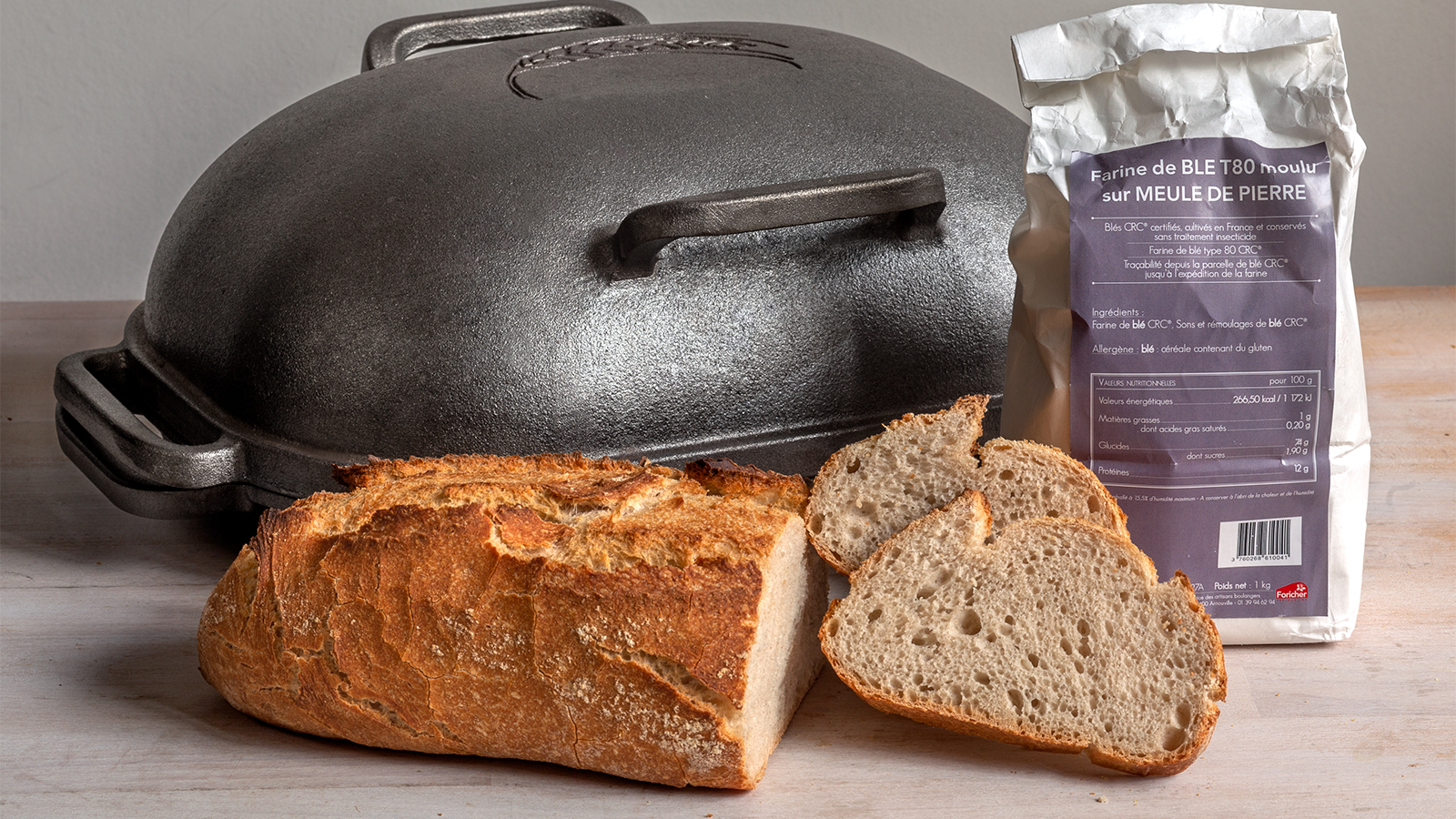
Confused about these numbers in the names of many French flours: from T45 up to T150? Then find out here just what the French T-system for grading flour is all about.Choose the flour that’s right for what you want to bake…ideal for baguettes:Matthews French T55 Belle BlancA great general-purpose baguette flour, with excellent elasticity and stretch with low stickiness. The wheat ... Read more
Ok, so plain flour in the UK is "cake and pastry flour", am I right?
Maybe. Or not. The thing is, it’s not a specific thing, and that makes it hard to categorise. Bread flour – called strong flour in the UK – is generally assumed to have good levels of gluten, probably something around 11-14% protein, and score pretty well on strength and resilience tests; however plain ... Read more
It’s common today for millers to tell you about the way grain is grown and the accreditation they have for making the claims they do – such as Soil Association, Organic Farmers & Growers, Red Tractor, for example – as many of us do care about how grain is grown, the pesticides and herbicides used, and how this affects agriculture, the land and biodiversity.
Increasingly, the issue of ... Read more
We are often asked whether a particular flour that we stock is bleached or unbleached. Bleaching is a chemical process to make what might be off-white flours whiter, for aesthetic reasons and also for some performance benefits. All European/UK flour is unbleached by law even though some might be labelled unbleached actually all of it is. Some countries (including US) do bleach flour but we will ... Read more
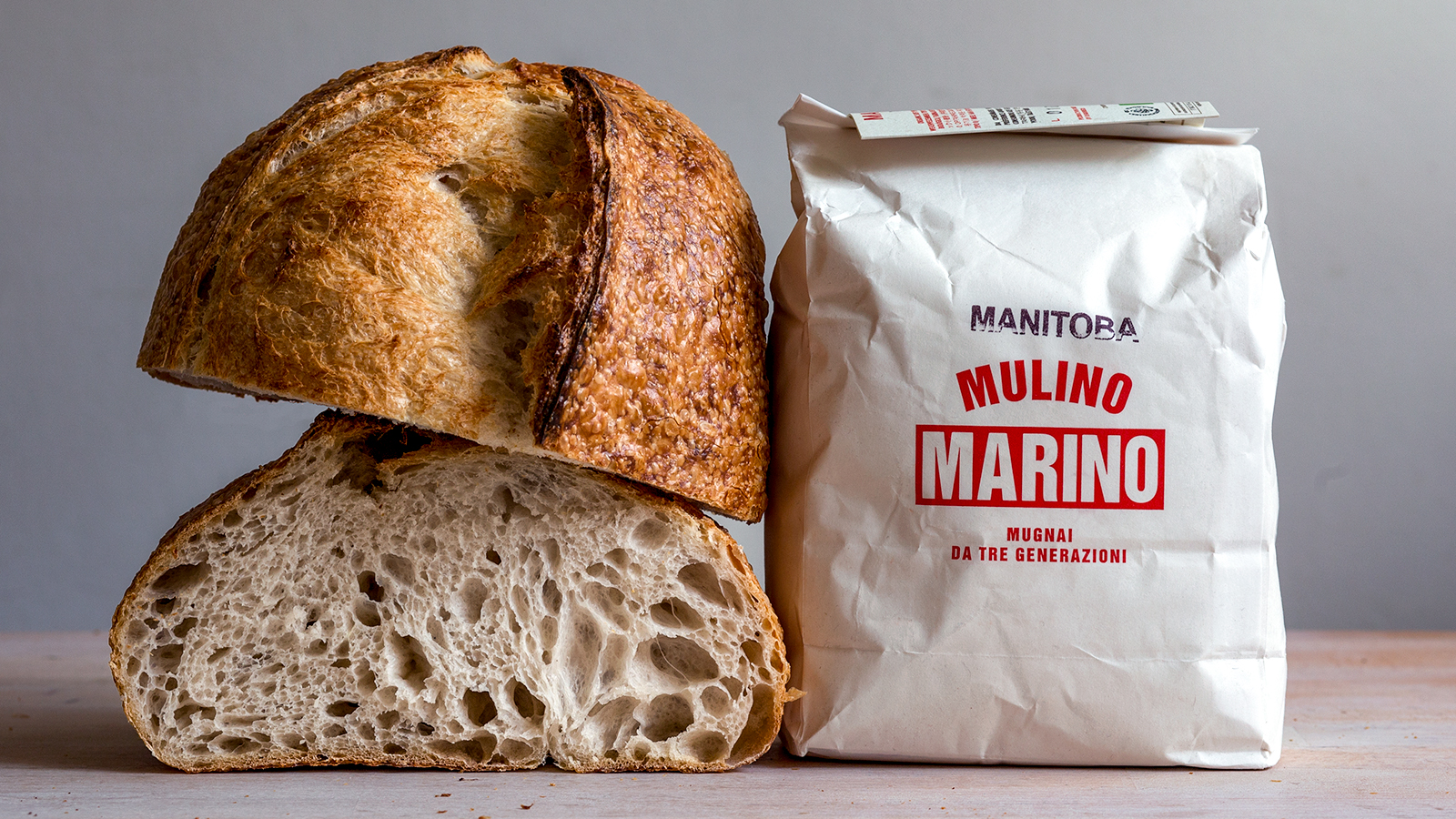
So I’ve read that 00 Italian flour is the best for bread and pizza, is that true?
Forse sì, forse no. That’s Italian for maybe yes, maybe no. With that phrase alone you can go a long way in Italy, and get into some very tricky situations. See, the thing is those zero numbers have nothing to do with the doughmaking characteristics of the flour, but really only tell how finely ... Read more
Fuel Saving Baking: 9 tips to help reduce fuel costs
We hear you! You have these great skills, you're baking terrific breads, you have a good oven and our amazing flours, everything you need… and now you need to watch your fuel bill. What do you do?
At BakeryBits, we’ve been wondering: what would fuel-smarter baking be like?
So here’s our BakeryBits guide to reducing fuel costs!
1. ... Read more
Elasticity vs. Extensibility in Bread Dough: What’s the Difference?
Understanding how and why your dough behaves the way it does is a key part of mastering bread baking.
Two fundamental properties of dough are elasticity and extensibility. They might sound almost the same, but they are actually quite different.
These two properties are affected by two naturally occurring proteins in the flour ... Read more